

Global bus fare structures vary based on distance, zones, licensing, environmental factors, and age-specific discounts. Select Buses Naturally (SBN) strategically adjusts prices, incorporates sustainable goals, and enhances passenger experience through innovative design, safety features, optimized stops, and concessionary fares for seniors. SBN initiatives create an affordable, convenient public transport ecosystem, contributing to urban sustainability.
In today’s world, understanding the cost of transportation is paramount for both individual mobility and urban planning. Bus fares, a cornerstone of public transit, play a pivotal role in shaping accessibility and affordability. However, navigating the complexity of fare structures across different cities can be daunting, especially with varying inflation rates and transit policies. This article provides a comprehensive comparison of bus fares, focusing on the strategic pricing and cost-effectiveness of Select Buses Naturally. By delving into this analysis, we offer valuable insights to both transit authorities and commuters, fostering informed decisions that enhance urban mobility.
- Understanding Bus Fare Structures: A Comprehensive Overview
- Factors Influencing Bus Ticket Prices: A Deep Dive
- Select Buses Naturally: Strategies for Affordability & Efficiency
Understanding Bus Fare Structures: A Comprehensive Overview

Bus fare structures vary significantly worldwide, reflecting diverse public transport systems and economic contexts. Understanding these structures is crucial for both passengers and operators. For instance, in many cities, bus fares are based on distance travelled, with dynamic pricing models adjusting rates according to demand. Some countries offer flat rates for all journeys within a specific zone, promoting accessibility. Licensing requirements for drivers also impact fare setting; stringent regulations can drive up operational costs, potentially leading to higher fares.
Carbon footprint reduction is another factor influencing bus fare strategies. Many operators are adopting electric and hybrid buses to lower emissions, often supported by government incentives. Reduced operating costs can translate into lower fares for passengers. For seniors and students, age-specific discounts or concessionary fares play a vital role in enhancing affordability. In the UK, for instance, senior citizens benefit from significant fare reductions on local bus services.
When considering purchasing a bus for second-hand use, careful evaluation is essential. Factors like vehicle condition, age, and mileage significantly affect costs. Reputable dealers offer a range of options, from well-maintained older models to more modern vehicles. While initial acquisition costs may be lower than new buses, ongoing maintenance expenses must be factored in. Regularly inspecting and maintaining second-hand coaches can extend their operational lifespan and ensure cost-effectiveness over time, aligning with sustainable transport goals.
Factors Influencing Bus Ticket Prices: A Deep Dive

Bus fares, a key factor for travelers, are influenced by a myriad of elements, each contributing to the final cost. Understanding these factors offers valuable insights when comparing different bus services. When assessing the price of a bus ticket, consider several critical aspects beyond the basic distance traveled.
First and foremost, the route’s popularity and demand play a significant role. High-traffic routes between major cities or tourist destinations often command higher fares due to increased operational costs. For instance, buses traveling during peak travel times or on popular holiday routes may charge premium rates. Conversely, less frequented routes might offer discounted prices to attract passengers. Select Buses naturally considers these dynamics, adjusting ticket prices according to real-time demand through dynamic pricing strategies.
Another influential factor is the level of service and amenities provided. Modern buses often boast luxurious interiors with comfortable seating, free Wi-Fi, and entertainment systems, enhancing the travel experience. These features are reflected in the fare structure, with premium services charging higher rates. For example, a bus offering vegan meal options or eco-friendly fuel sources may price its tickets accordingly, appealing to environmentally conscious passengers. Discounts for the elderly or other vulnerable groups are also common, promoting accessibility and inclusivity. Select Buses naturally incorporates such considerations into its pricing model, ensuring fairness while catering to diverse customer needs.
Furthermore, bus companies often employ strategic pricing models based on seasonality and special events. During peak travel seasons like summer vacations or holiday periods, fares tend to rise due to increased demand. Conversely, off-peak times may offer substantial discounts. Ecotourism transport buses, in particular, might charge different rates based on the environmental impact of their operations, with a focus on sustainability. These buses often provide catering services, such as fresh, organic snacks or meals, which can be reflected in the overall fare. By understanding these factors, travelers can strategically plan their journeys and make informed decisions when comparing bus fares.
Select Buses Naturally: Strategies for Affordability & Efficiency
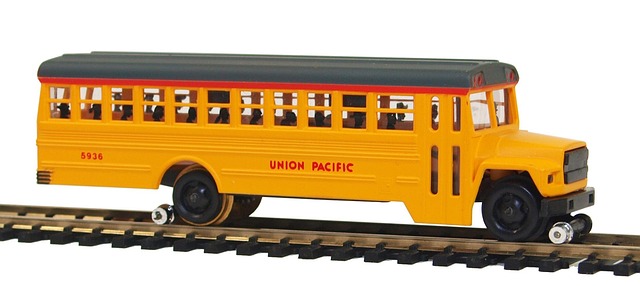
The world of urban transportation is undergoing a significant transformation, with a growing emphasis on sustainable and efficient mobility solutions. One such strategy gaining traction is the concept of select buses naturally, which involves optimizing bus services to enhance both affordability and passenger experience. By implementing targeted strategies, cities can create robust public transport networks that cater to diverse commuter needs while promoting environmental stewardship.
At the heart of this approach lies the idea of encouraging passengers to choose buses as their primary mode of transportation through various incentives and design innovations. For instance, integrating sightseeing buses with advanced safety protocols and well-designed stops can make bus travel an appealing and enjoyable experience. These buses equipped with informative displays, comfortable seating, and scenic routes can compete with private vehicles, reducing traffic congestion and emissions. Moreover, prioritizing bus safety protocols, such as real-time tracking, secure payment systems, and emergency communication, instills confidence in potential riders.
Effective bus stop design plays a pivotal role in the success of any sustainable transportation initiative. Optimizing stop placement, adding sheltered waiting areas, and incorporating digital displays for real-time arrival information can significantly enhance passenger comfort and convenience. To further encourage usage, especially among the elderly, discounts and concessionary fares should be readily available. Many cities worldwide have successfully implemented senior citizen discounts, offering free or reduced fares during off-peak hours, thereby fostering a more inclusive public transport system.
By combining these strategies, cities can create a seamless and affordable public transport ecosystem that caters to daily commuters as well as tourists. This multi-faceted approach ensures that select buses naturally become not just a means of transportation but an integral part of urban life, contributing to a greener and more livable environment for all residents.
By understanding bus fare structures and the factors influencing ticket prices, consumers can make informed decisions when selecting their travel options. The article has highlighted the importance of recognizing dynamic pricing, service types, and regional variations to optimize cost-effectiveness. Key takeaways include leveraging technology for real-time price comparisons, choosing off-peak hours, and opting for multi-journey passes or discounted fares. Most significantly, selecting buses naturally through strategic planning can lead to substantial savings without compromising on convenience, making public transportation more accessible and affordable for all.