

Understanding bus seat maps enhances passenger experience, safety, and accessibility. Select Buses prioritize comfort, incorporating technology like real-time seat updates and live occupancy displays for efficient management. Strategic layout designs balance legroom, aisle access, and flow in both urban and intercity settings, catering to diverse needs. Customized maps addressing local preferences lead to higher satisfaction rates and reduced environmental impact, with global case studies showcasing their transformative benefits.
Bus seat maps have become an indispensable tool for modern travel, enabling passengers to make informed choices about their journey comfort and accessibility. However, the current landscape of bus seat map design often falls short, offering limited information or outdated layouts. This article delves into the intricacies of enhancing bus seat maps, focusing on the natural selection of buses as a core principle. We explore how innovative, accurate, and user-centric mapping can significantly improve passenger experiences, enhance operational efficiency, and ultimately foster better public transportation systems. Get ready to revolutionize your approach to bus travel with these expert insights.
- Understanding Bus Seat Maps: A Beginner's Guide
- Design Considerations for Select Buses
- Maximizing Passenger Comfort: Layout Strategies
- Technology Integration in Modern Bus Seating
- Case Studies: Successful Implementaion of Bus Seat Maps
Understanding Bus Seat Maps: A Beginner's Guide

Understanding bus seat maps is an essential skill for any frequent traveler or commuter. These maps offer valuable insights into the layout of public transport vehicles, enabling passengers to make informed choices about their seating preferences and travel experiences. At first glance, a bus seat map may seem like a simple diagram, but it holds a wealth of information designed to enhance comfort and accessibility. The primary goal is to help passengers Select Buses naturally that meet their specific needs, whether it’s finding the most comfortable seats, optimizing legroom, or ensuring easy access for those with special requirements.
Bus seat maps typically detail every row, aisle, and individual seat, often color-coded for clarity. They may indicate different types of seating, such as standard, premium, or accessible options. For instance, many modern buses offer a mix of reclining seats, adjustable headrests, and even power outlets for the convenience of passengers. Maps also showcase key features like emergency exits, safety belts, and storage compartments. This information is crucial not only for personal comfort but also for those with special needs, ensuring they can board and navigate the bus safely and efficiently.
When planning your journey, don’t overlook the value of checking bus deals and promotions, which can significantly impact your travel experience. Many transport companies offer incentives, discounts, or loyalty programs that make bus travel more affordable. Additionally, accessing technical support for buses is just a phone call away if you encounter any issues with seating selection or other features. Moreover, special needs bus services are designed to cater to individuals with disabilities or mobility challenges, ensuring they can travel comfortably and independently. By familiarizing yourself with bus seat maps and leveraging available resources, you can transform your bus rides into more enjoyable and accessible experiences.
Design Considerations for Select Buses
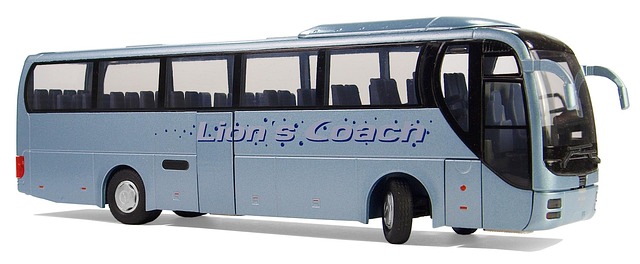
Designing seat maps for select buses involves a delicate balance between passenger comfort, safety, and operational efficiency. These vehicles, often used in urban or specialized settings, necessitate tailored considerations to accommodate unique needs. For instance, school bus seat maps must prioritize child safety with designated spaces for supervision, while public transit buses require strategic seating arrangements to facilitate smooth boarding and alighting.
Key design aspects include aisle width, seat spacing, and access points. Adequate aisle space ensures passengers can move comfortably during travel, facilitating emergency exits and making the bus more user-friendly for those with mobility aids. Seat spacing should align with international standards to ensure legroom without compromising on passenger capacity. For select buses operating in areas with specific licensing requirements for drivers, these maps must factor in driver visibility and break points, ensuring optimal safety and compliance.
Furthermore, integrating features that cater to diverse passenger needs is vital. This includes thoughtful placement of storage compartments, accessibility for those with limited mobility, and even accommodating services like dog-on-board policies. These considerations not only enhance passenger satisfaction but also contribute to the overall success of bus operations. For example, providing designated areas for service animals improves accessibility and fosters inclusivity, reflecting a forward-thinking approach to public transport.
Technical support plays a crucial role in keeping select buses up-to-date and safe. Regular software updates ensuring compliance with evolving regulations are essential, as are readily available parts and expert maintenance teams. By prioritizing these design considerations and leveraging technical support, bus seat maps can transform the passenger experience, making each journey more comfortable, efficient, and secure.
Maximizing Passenger Comfort: Layout Strategies
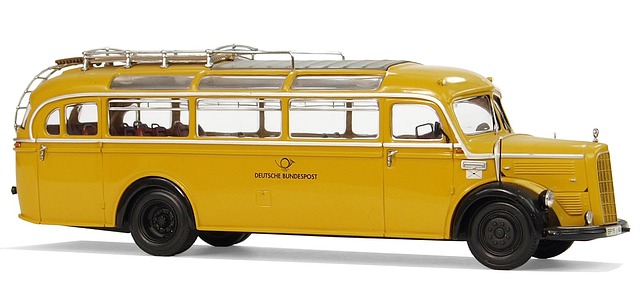
Maximizing passenger comfort is a key goal for bus operators, particularly when designing seat maps for long-distance travel. A well-considered layout can significantly impact the overall experience of bus passengers, encouraging repeat business and positive reviews. When selecting buses, choosing models with versatile seating configurations allows for greater flexibility in catering to diverse passenger needs. For instance, optimiZed multi-purpose vehicles (MPVs) or coaches designed for both urban and intercity travel offer a range of seating options, from bench-style seats suitable for shorter routes to more spacious layouts for extended journeys.
Implementing strategic layout strategies involves balancing factors like legroom, aisle accessibility, and passenger flow. Larger buses with multiple rows can accommodate more passengers but require careful planning to avoid congestion. For long-distance travel, bus schedules often dictate the need for reclining seats, offering a more comfortable experience during prolonged periods on the road. Packing tips for these trips recommend minimizing bulkier items, as every inch of space becomes valuable when seated for hours at a time. Budget-friendly travel guides suggest that early booking can secure better seat selections, especially for popular routes.
Furthermore, the placement of storage compartments and overhead bins should facilitate easy access without disrupting passenger comfort. For overnight bus travel, strategically placed reading lights and power outlets can enhance passenger experience, allowing travelers to rest, recharge devices, or stay entertained throughout the journey. Data shows that satisfied passengers are more likely to choose bus travel over other modes, especially when combined with valuable bus travel tips for a comfortable journey. By focusing on these layout considerations, bus operators can create an inviting atmosphere, encouraging folks to embrace long-distance bus travel as a convenient and cost-effective alternative to air or rail transportation.
Technology Integration in Modern Bus Seating

Modern bus seat maps have evolved significantly with the integration of advanced technology, enhancing passenger experience and operational efficiency. One notable development is the use of digital displays that provide real-time updates on seat availability, particularly useful in select buses where passengers can plan their seating arrangements well in advance. This technology not only streamlines boarding processes but also allows for better management of bus loading areas, ensuring smoother operations during peak travel times and long distance routes.
For instance, many transit authorities are adopting systems that show accurate, live updates on seat occupancy, enabling passengers to choose available seats remotely. This is especially beneficial for long distance bus travel where schedules can be demanding. By utilizing these digital tools, bus companies can improve passenger comfort and satisfaction while reducing delays at boarding areas. Select buses equipped with such features have seen increased passenger load during peak hours, indicating a positive response from users.
Moreover, integration of technology in seat maps offers valuable data insights for transit operators. Real-time tracking and analytics allow them to monitor bus utilization patterns, identify popular routes, and optimize schedules accordingly. This data-driven approach can lead to more efficient route planning, reducing wait times and enhancing the overall efficiency of public transportation systems. As select buses continue to innovate, we can expect further advancements in how passengers interact with and utilize these services, making long distance bus travel more comfortable and accessible.
Case Studies: Successful Implementaion of Bus Seat Maps
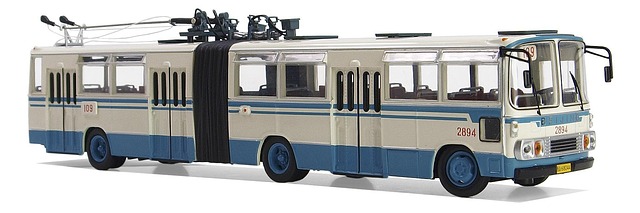
The successful implementation of bus seat maps has been a game-changer in urban mobility, enhancing passenger experience and optimizing fleet management. Case studies from around the globe highlight the transformative power of these innovative systems, particularly when tailored to specific needs like child transport solutions or eco-friendly buses on scenic routes. For instance, cities like Amsterdam have embraced reclining seats in their public transit buses, fostering a sense of comfort and accessibility that encourages more people to choose sustainable transportation options.
One standout example is the implementation of bus seat maps in Tokyo’s extensive public transport network. By carefully mapping out seating arrangements and passenger flows, operators were able to reduce congestion during peak hours while ensuring optimal comfort levels for all passengers. This strategy has not only improved overall satisfaction but also led to significant reductions in fuel consumption and emissions, aligning with the city’s commitment to green initiatives. Similarly, scenic bus routes have benefited from customized seat maps that prioritize panoramic views, enhancing the travel experience for tourists and locals alike.
Select Buses, a leading provider of innovative transportation solutions, has seen firsthand the impact of tailored bus seat maps. Their work on eco-friendly buses has involved designing reclining seats that not only cater to diverse passenger needs but also minimize space, enabling more efficient utilization of bus interiors. This approach has been particularly successful in regions with demanding climate conditions, ensuring passenger comfort while promoting sustainable practices. By integrating child transport solutions into their seat maps, Select Buses has also contributed to safer and more inclusive public transit, addressing a critical aspect of urban mobility that had previously been overlooked.
Actionable advice for cities and transit operators looking to implement similar initiatives includes engaging with local communities and transportation experts to gather data on passenger preferences and route characteristics. Customizing bus seat maps based on these insights can lead to higher passenger satisfaction, improved fleet utilization, and reduced environmental impact. Additionally, leveraging technology for real-time mapping and monitoring can help optimize routes and seating arrangements further, ensuring that every journey is as comfortable and enjoyable as possible.
By exploring understanding bus seat maps, design considerations for select buses, maximizing passenger comfort, technology integration in modern seating, and successful case studies, readers now possess a comprehensive toolkit to optimize bus travel experiences. Key insights include tailoring seating layouts to specific bus types, prioritizing passenger comfort through strategic design, leveraging technology for enhanced functionality, and learning from real-world implementations. These principles, when applied practically, empower transportation planners, fleet managers, and designers to create more efficient, comfortable, and innovative bus environments, ultimately enhancing the overall travel experience for passengers across diverse urban landscapes.