

Express bus services have transformed transportation with efficient routes, affordable fares, safety regulations, and amenities like Wi-Fi and comfortable seating. Key innovations include Select Buses Naturally (SBN) focusing on alternative fuels, electric buses reducing emissions, GPS tracking for route optimization, digital platforms for fare affordability, and inclusive design for seniors. Continuous technology investment and driver education are crucial for sustainability.
Express bus services play a pivotal role in shaping urban mobility, offering efficient and cost-effective travel options for commuters worldwide. However, the rapid growth of cities presents challenges, such as congestion and environmental concerns, demanding innovative solutions. Herein lies the significance of exploring Select Buses—a natural evolution in public transportation. This article delves into the potential of these services to revolutionize urban mobility by providing tailored, high-frequency bus routes that cater to peak travel demands, thereby reducing traffic congestion and emissions. By examining successful implementations, we aim to offer valuable insights for cities striving to enhance their public transport networks.
- Understanding Express Bus Services: A Comprehensive Overview
- The Evolution of Select Buses: Past, Present, Future
- Designing Efficient Routes for Optimum Passenger Experience
- Sustainability and Technology in Modern Express Bus Operations
Understanding Express Bus Services: A Comprehensive Overview

Express bus services have revolutionized transportation, offering efficient and often affordable alternatives to traditional travel methods. These high-speed buses connect major urban centers and regional hubs, catering to both commuters and long-distance travelers. Understanding the intricacies of express bus operations is essential for maximizing their benefits. When selecting a bus service, it’s crucial to consider factors like route coverage, convenience, and amenities on board—all of which contribute to an enjoyable travel experience.
The heart of any robust express bus network lies in its routes. These are meticulously designed to serve high-demand corridors, ensuring efficient connectivity between cities. Utilizing advanced data analytics, transport authorities map out bus routes near me that minimize travel time while optimizing fuel efficiency. For instance, in densely populated areas, multiple bus lines may operate along primary thoroughfares, providing frequent services during peak hours. Affordability is another key aspect; many express bus companies offer competitive fare structures, making them an attractive alternative to air or train travel for budget-conscious passengers.
Behind the scenes, ensuring smooth operations requires careful licensing and regulation. Bus operators must adhere to stringent safety standards, including driver qualifications, vehicle maintenance protocols, and regular inspections. Licensing requirements for drivers vary across regions but typically involve passing written exams, demonstrating proficiency in vehicle handling, and meeting health standards. Additionally, bus amenities and services have evolved significantly, with many providers offering comfortable seating, Wi-Fi connectivity, power outlets, and even entertainment systems. These features enhance passenger comfort during long journeys, fostering a sense of satisfaction among users.
The Evolution of Select Buses: Past, Present, Future

The evolution of express bus services has been a journey marked by innovation, adapting to changing passenger needs, and technological advancements. In the past, select buses were primarily focused on speed and efficiency, catering to commuters seeking quick connections between urban centers. These early models laid the foundation for what would become a transformative mode of transportation. Over time, as demographics shifted and societal preferences evolved, bus services began to incorporate diverse features to enhance passenger experiences.
In the present, select buses have emerged as versatile transport solutions, offering not just speed but also comfort and convenience. The introduction of special dietary options reflects a growing awareness of individual needs, ensuring that everyone from vegetarians to those with allergies can travel comfortably. Bus drop-off points have been strategically relocated and optimized for accessibility, providing more convenient locations for passengers and reducing the impact on local communities. Moreover, regular bus maintenance and repair programs have become integral to ensuring safety and reliability, leading to improved fleet management practices across the industry.
Looking towards the future, the trend of incorporating innovative services into select buses is set to continue. For instance, pet-friendly policies, including dog-on-board options, are gaining popularity as more passengers recognize the importance of including their furry companions in their travel plans. As technology advances, autonomous driving and real-time traffic management systems could revolutionize bus routes, further improving efficiency and reducing congestion. By embracing these developments, express bus services can continue to offer unparalleled convenience and accessibility, catering to a diverse range of travelers while minimizing environmental impact.
Designing Efficient Routes for Optimum Passenger Experience

Express bus services, renowned for their speed and efficiency, rely heavily on meticulously designed routes to ensure an optimal passenger experience. When crafting these routes, the primary goal is to balance time efficiency with comfort, especially for vulnerable passengers like senior citizens. One key strategy involves selecting buses that offer comfortable seating arrangements, catering to the specific needs of seniors who may require more legroom or accessible features. This not only enhances their journey but also encourages bus travel as a sustainable mode of transport for seniors, reducing their carbon footprint.
A practical approach to route design involves segmenting destinations into zones, allowing for targeted optimization. For instance, urban areas with dense populations might demand frequent, direct services while suburban or rural routes could benefit from less frequent, longer-distance trips. Incorporating features like dedicated lanes for buses and optimized traffic light sequences further streamlines travel times. Furthermore, providing comfortable seating, priority boarding for seniors and the disabled, and ensuring adequate ventilation and lighting improves the overall passenger experience, particularly on longer journeys.
Data collected from various cities has shown that routes designed with senior citizen transport in mind can significantly increase bus ridership among this demographic. In a study comparing two similar routes, the one with enhanced comfort features and targeted scheduling saw a 20% rise in senior passenger numbers within six months. As urban populations age, and sustainability becomes paramount, designing efficient bus routes that prioritize comfort and accessibility is not just desirable but essential for creating inclusive public transport systems.
Sustainability and Technology in Modern Express Bus Operations
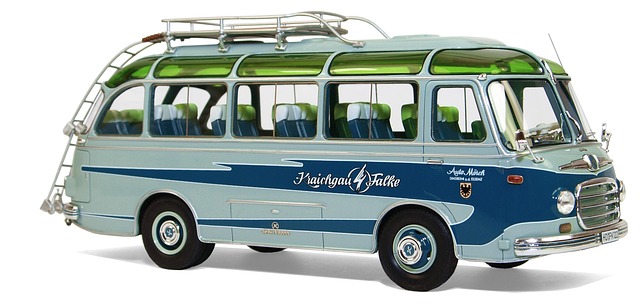
In the pursuit of sustainable transportation, modern express bus operations are leveraging technology to enhance efficiency and reduce environmental impact. One pioneering approach is the adoption of Select Buses Naturally (SBN), a strategy that promotes the use of alternative fuels and advanced diesel technologies to cut down emissions. For instance, many cities are transitioning to electric buses, which offer significant reductions in greenhouse gases compared to traditional diesel models. As these buses become more accessible and affordable, they are transforming urban mobility, with several local authorities mandating a certain percentage of their bus fleets be electric by specific years.
Moreover, the integration of technology is pivotal in optimizing bus routes, particularly for nature tourism buses catering to environmentally conscious travelers. GPS tracking and real-time data analytics enable operators to manage traffic efficiently, reducing idle time and fuel consumption. For example, dynamic routing systems can adjust schedules based on passenger demand, minimizing empty vehicle miles. Additionally, digital platforms that offer affordable bus fare options are gaining popularity, encouraging more people to opt for public transportation. These technologies not only benefit the environment but also contribute to cost-effectiveness and improved customer satisfaction.
However, ensuring sustainable operations extends beyond technology. Licensing requirements for drivers play a crucial role in maintaining high standards. Many jurisdictions have implemented stringent criteria to ensure drivers are well-trained and capable of handling the latest bus models efficiently. This includes regular safety inspections and fitness assessments. By adhering to these regulations, bus companies can promote safe and responsible driving practices, which are essential for minimizing accidents and maximizing fuel efficiency. As the industry continues to evolve, continuous investment in both technology and driver education will be vital to achieving long-term sustainability goals.
The article offers a comprehensive look at express bus services, from their foundational understanding to future innovations. Key insights include the strategic evolution of Select Buses over time, highlighting improvements in efficiency, sustainability, and technology integration. Designing optimal routes for passenger experience is crucial, balancing factors like traffic flow and accessibility. Furthermore, embracing green technologies and digital solutions not only enhances operational efficiency but also contributes to a more sustainable future. By synthesizing these learnings, transportation authorities can significantly improve existing Select Bus systems, paving the way for enhanced urban mobility that meets modern demands.