

Planning a bus trip requires strategic route selection, balancing accessibility with scenic beauty. Research using online platforms for popular destinations and time-saving tips. Anticipate local traffic patterns and road conditions to avoid delays. Utilize public transit apps, consult tour operators, and select buses aligned with your journey type (mountain escape or city tour).
For a smooth trip:
– Focus on realistic travel times, rest stops, and potential delays in itineraries.
– Prioritize defensive driving, reliable bus maintenance, and considerate meal options.
– Select Buses naturally based on comfort, amenities, and efficiency tailored to your trip's purpose.
– Compare pricing and book early for budget-friendly rates, utilizing online platforms with transparent models.
– Consider special needs (children, dietary restrictions) when packing meals and choosing bag size.
– Prioritize safety by selecting buses with modern ADAS and regular maintenance checks, ensuring driver training and prompt action on alerts.
In today’s world, efficient and well-planned bus trips are vital for both personal travel and logistical operations. However, organizing these journeys can be a complex task, often involving numerous considerations like route selection, vehicle maintenance, passenger comfort, and safety standards. This article offers an authoritative guide to navigating this landscape, focusing on a natural and selective approach to bus trip planning. We will delve into the intricacies, from optimizing routes using advanced analytics to ensuring vehicle condition through rigorous checks, ultimately enhancing the overall travel experience while maintaining stringent safety protocols.
- Choose Your Route & Destinations
- Determine Travel Times & Milestones
- Research Different Bus Types & Amenities
- Compare Pricing & Booking Options
- Pack Smartly for Comfort During the Trip
- Understand Safety Measures & Emergency Preparedness
Choose Your Route & Destinations

Planning a bus trip involves careful consideration of various factors, one of which is choosing the optimal route and destinations. This decision significantly influences the overall experience and enjoyment of your journey. When selecting routes, it’s crucial to balance accessibility with scenic beauty, especially if you’re planning group bus bookings for a mountain retreat or exploring urban areas via airport shuttle buses. These diverse options require different strategies. For instance, when organizing bus tours to mountains, you’ll want to select routes that offer breathtaking vistas while ensuring safe and smooth travel for your group.
Research is key in this stage. Utilizing online resources, such as reputable bus auction houses, can provide valuable insights into popular routes and destinations. These platforms often feature user reviews and ratings, helping you gauge the quality of services and experiences. For instance, data from these sources might reveal that certain bus lines offer unparalleled views along coastal roads or highlight hidden gems in rural areas, enriching your trip’s narrative. Moreover, understanding local traffic patterns and road conditions is essential to avoid delays or navigate potential hazards.
Actionable advice includes starting your planning early to secure the best options for group travel, considering public transit apps for real-time updates, and consulting with experienced tour operators who can curate custom itineraries based on your preferences. By carefully selecting buses that align with your destinations—whether it’s a mountain escape or a city tour—you’ll ensure a seamless, memorable journey tailored to your needs.
Determine Travel Times & Milestones

Planning a bus trip involves meticulous attention to detail, particularly when determining travel times and milestones. This critical aspect ensures a smooth journey for all passengers, minimizing delays and maximizing efficiency. When selecting buses, it’s natural to consider factors like capacity, comfort, and fuel efficiency. However, understanding travel dynamics is equally vital, especially on longer routes where time management can significantly impact the overall trip.
Defensive driving courses offer valuable insights into navigating challenging road conditions, which can be particularly beneficial for bus operators. These courses equip drivers with advanced skills to handle traffic jams, adverse weather, and other unpredictable events that may affect travel times. Moreover, having comprehensive bus service contracts in place ensures regular maintenance and timely repairs, reducing the risk of unexpected breakdowns that could disrupt schedules.
Another aspect to consider is catering to diverse passenger needs, especially those with special dietary requirements. Offering customizable meal options can enhance passenger satisfaction and comfort during extended trips. For instance, some bus companies now provide vegan, gluten-free, or halal meals upon request, demonstrating a commitment to inclusivity. Data from industry surveys shows that such amenities can significantly boost passenger loyalty and overall trip satisfaction.
To optimize planning, create a detailed itinerary that incorporates realistic travel times, allows for rest stops, and accommodates potential delays. Regularly review and update these plans based on traffic patterns, weather forecasts, and bus performance data. By integrating defensive driving practices, reliable bus maintenance, and considerate meal options, you can ensure a well-managed trip that adheres to set milestones, providing passengers with a comfortable and efficient journey.
Research Different Bus Types & Amenities

When planning a bus trip, one of the key aspects to consider is selecting the right vehicle that aligns with your needs and preferences. Different bus types offer varying amenities and capabilities, from luxurious intercity buses designed for long-haul travel to compact airport shuttle buses ideal for quick trips. Understanding these variations ensures a more comfortable and enjoyable journey.
For instance, modern intercity bus tours often boast onboard entertainment systems, complete with large screens, wireless internet access, and individual charging ports. Some even offer premium seating, reclining chairs, and meals or snacks during longer routes. These amenities transform what could be a mundane travel experience into a relaxing and engaging adventure. Conversely, airport shuttle buses are typically more focused on efficiency and convenience, providing basic comfort without extensive entertainment options.
Selecting buses naturally should be guided by your trip’s purpose. If you’re embarking on a cross-country adventure, opt for comfortable long-distance models equipped with the latest amenities. For daily commuting or quick airport transfers, consider fuel-efficient urban buses designed for frequent stops and narrow city streets. By choosing vehicles tailored to specific needs, you enhance not just comfort but also safety and efficiency throughout your bus trips.
Compare Pricing & Booking Options

When planning a bus trip, comparing pricing and booking options is crucial for ensuring a smooth and budget-friendly experience. Select Buses offers a diverse range of choices catering to various preferences and budgets. Prices can vary significantly depending on factors like distance, duration, comfort levels, and the time of year. For instance, off-peak city tour buses might be significantly cheaper than peak season services or luxury coaches for longer routes. Utilizing online booking platforms is recommended for easy access to real-time pricing and availability.
Select Buses leverages advanced technology to provide transparent pricing models, making it easier for customers to compare. Some operators also offer dynamic pricing based on market demand, ensuring fair rates while encouraging efficient bus utilization. For eco-conscious travelers, opting for city tour buses promotes sustainable transportation, with many providers investing in fuel-efficient vehicles and reducing their carbon footprint. Additionally, some companies offer bundle deals or discounts for group bookings, making it more cost-effective for organized trips.
Booking platforms should be user-friendly, allowing for detailed searches based on specific requirements. Customers can filter options by vehicle type, amenities, pickup locations, and drop-offs to match their needs precisely. Technical support for buses is essential during the booking process, ensuring any queries or issues are promptly addressed. For instance, a dedicated customer service line or live chat feature can provide immediate assistance, enhancing the overall trip planning experience. Remember that early booking often secures better rates, especially for popular routes or peak travel seasons.
Pack Smartly for Comfort During the Trip
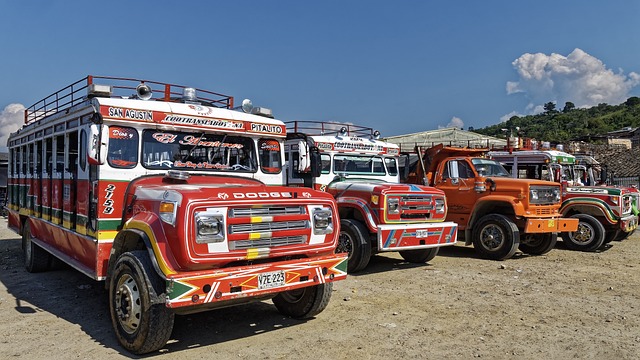
When planning a bus trip, comfort is key to ensuring an enjoyable journey. Smart packing can significantly enhance your experience, especially on longer routes. Start by assessing the duration of your travel and considering any special needs you or fellow passengers may have. For instance, if traveling with children, pack essential items like comfortable blankets, toys, or headphones for entertainment during bus stops.
Select Buses offers a range of services to cater to diverse requirements. Their budget-friendly travel options often include basic amenities, while their premium buses provide extra legroom and onboard entertainment systems. For those with specific needs, such as mobility challenges or dietary restrictions, special needs bus services are available. These services ensure accessibility and comfort for all passengers.
Meal and snack options can also contribute to a more pleasant trip. Many bus companies now offer onboard meals, ensuring you don’t go hungry during long-haul journeys. Snacks like energy bars, dried fruits, and nuts are easy to pack and provide much-needed sustenance between stops. Remember, staying well-fed and hydrated is crucial for comfort, especially on busy routes where frequent stops may be limited in food choices.
Prioritize space efficiency when packing. Utilize compact travel bags and consider rolling your luggage rather than carrying it. This approach saves energy and reduces the risk of injury or strain during transfers. By following these practical tips, you can ensure a comfortable bus trip tailored to your unique needs and preferences.
Understand Safety Measures & Emergency Preparedness

When planning a bus trip, especially for extended journeys or with vulnerable passengers like children, understanding safety measures and emergency preparedness is paramount. This involves scrutinizing the safety features of the vehicle, ensuring well-trained drivers, and implementing comprehensive passenger protection protocols.
One key aspect to consider is the selection of buses. Opting for vehicles equipped with modern safety systems can significantly enhance overall security. For instance, advanced driver assistance systems (ADAS), including lane departure warnings and collision mitigation, have become industry standards, reducing accidents and improving defensive driving. Moreover, integrating school bus safety features such as cross-view mirrors, improved visibility windows, and enhanced emergency exits ensures the well-being of students during transit, which is a top priority in many regions.
Effective training for bus drivers is another critical element. Comprehensive driver training programs that include defensive driving courses equip operators with skills to navigate challenging road conditions safely. These courses often emphasize aggressive but controlled maneuvers, allowing drivers to react swiftly and minimize risks. Additionally, comfortable seating arrangements, adequate legroom, and proper backing up techniques contribute to a smoother journey, reducing passenger discomfort and potential safety hazards associated with crowded or poorly designed buses.
Regular maintenance checks and prompt response to safety alerts are essential practices for bus companies. According to studies, well-maintained vehicles exhibit lower incident rates, highlighting the importance of proactive safety management. By prioritizing these measures, organizers can ensure a secure and enjoyable bus trip experience, fostering trust among passengers and promoting road safety across the industry.
By carefully Select Buses and planning each aspect of your bus trip—from choosing the right route and understanding travel times to researching amenities and comparing pricing—you can ensure a comfortable, safe, and memorable journey. This article has equipped you with essential insights on navigating these key areas, empowering you to make informed decisions and embrace the unique advantages that bus travel offers. Take these learnings and apply them directly to your next adventure, reaping the benefits of enhanced comfort, cost savings, and a reduced environmental footprint.