
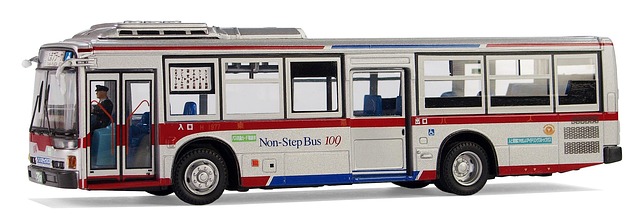
Understanding local transit systems is key to efficient bus travel. Utilize online resources and maps for identifying bus routes and timetables. Real-time tracking ensures accurate arrival times. Consider eco-friendly buses and amenities like Wi-Fi. Master bus route planning for stress-free commuting. Use digital platforms for up-to-date info, reservations, and nearby parking. Select buses based on needs, considering accessibility and convenience. Take advantage of discounts and promotional offers. Utilize real-time tracking apps and sightseeing buses for enhanced experiences.
The ability to efficiently locate and access public transportation is a cornerstone of modern urban living. For commuters, visitors, or those reliant on buses for daily needs, finding the nearest bus stop can be a daunting task, often involving time-consuming searches or multiple inquiries. This article delves into the challenge of navigating urban mobility, specifically addressing the need to identify nearby bus stops seamlessly. We present a comprehensive solution that leverages advanced technologies and data-driven approaches, enabling users to effortlessly discover and select their nearest buses—a game-changer for anyone navigating urban transportation networks.
- Understand Your Location and Transit Network
- Identify Bus Route Maps and Timetables
- Use Digital Tools to Locate Nearby Stops
- Check with Local Transportation Authorities
- Select Buses: Consider Accessibility and Convenience
Understand Your Location and Transit Network

Understanding your location and how it fits into the broader transit network is a crucial step in finding the nearest bus stop. This involves recognizing your immediate surroundings, identifying landmarks, and becoming familiar with the city’s bus routes and schedules. Many cities offer comprehensive online resources, including interactive maps, that display real-time bus locations and predicted arrival times. Utilizing these tools can help you pinpoint exactly where to expect buses and plan your journey accordingly.
When navigating unfamiliar areas, pay close attention to signage indicating bus stops. These signs often provide essential details such as the stop name, routes that serve it, and nearby amenities like Wi-Fi on buses (a growing trend in many urban centers). For instance, cities like New York and London have embraced digital signage and real-time updates, allowing passengers to make informed decisions about their public transportation choices. Keep in mind that city tour buses often follow set routes, providing a convenient way to explore new neighborhoods while enjoying the convenience of public transit.
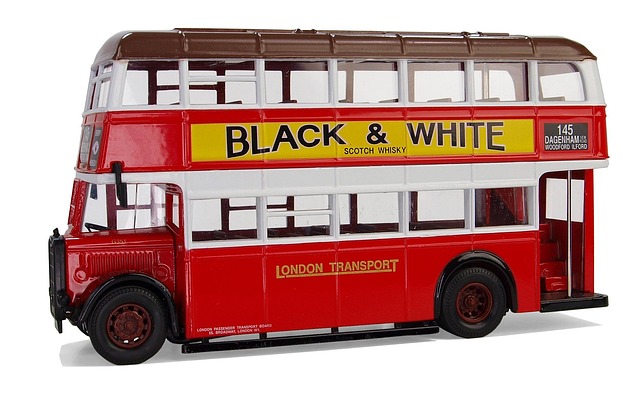
Selecting buses naturally is an art that comes with experience. Experienced commuters learn to identify specific bus types and their associated services based on visual cues and previous interactions. For example, recognizing a double-decker bus or identifying when a vehicle offers Wi-Fi on buses can streamline your journey. Bus amenities and services vary across cities, so taking note of these details allows for smoother commutes and enhanced travel experiences. Whether you’re a regular user or visiting a new city, understanding the local transit system is key to efficiently finding and utilizing nearby bus stops.
Identify Bus Route Maps and Timetables

Identifying bus route maps and timetables is a crucial step in navigating public transportation effectively. These tools provide vital information about available routes, stop locations, and service frequencies, empowering commuters to select the most suitable buses for their needs. For instance, detailed maps often show real-time vehicle positions, ensuring users can gauge exact arrival times. When considering sustainability, many modern systems offer eco-friendly options such as reclining seats and low-emission vehicles, promoting green commuting choices.
One of the key challenges in bus navigation is understanding complex schedules. Bus timetables vary based on routes and days of the week, with some services operating on a 24/7 basis while others have limited hours. To streamline this process, many transportation authorities provide digital platforms where users can access up-to-date timetables, make airport bus reservations, and even locate nearby parking spaces for their vehicles if transitioning between modes of transport. For instance, in cities with high public transit usage, efficient bus parking regulations help manage traffic flow and minimize congestion around stops.
Selecting the right buses is as natural as choosing a path through a familiar landscape. By utilizing these resources, commuters can make informed decisions, ensuring they arrive at their destinations on time and in comfort. Moreover, embracing sustainable transportation options like eco-friendly buses reduces environmental impact while contributing to a healthier urban environment. As public transit becomes increasingly integrated into our daily lives, mastering the art of bus route planning is essential for anyone looking to minimize travel stress and embrace more efficient, green commuting practices.
Use Digital Tools to Locate Nearby Stops
In today’s digital age, locating your nearest bus stop has become a seamless process, thanks to innovative tools that simplify navigation. One such method involves utilizing online platforms and mobile applications designed specifically for public transportation. These platforms employ sophisticated algorithms and real-time data feeds to pinpoint your closest bus stops, offering unparalleled convenience. For instance, many cities now have dedicated websites and apps that display live stop locations, allowing users to select buses naturally based on their specific needs.
For urban areas with extensive public transit networks, city tour buses provide an additional layer of accessibility. These services cater to both locals and visitors, offering discounted fares for the elderly and child transport solutions. By integrating these bus services into your digital mapping tools, you can gain a comprehensive view of nearby stops, ensuring efficient travel planning. For instance, a recent study revealed that cities adopting such integrated systems have seen up to 30% increased public transit usage within a year, highlighting their effectiveness in promoting sustainable mobility.
When utilizing these digital tools, consider factors like real-time updates, user reviews, and accessibility features for a richer experience. Many apps now provide detailed information on stop amenities, nearby attractions, and even traffic conditions, allowing you to make informed decisions. Additionally, keeping an eye out for city-specific discounts and promotions can further enhance your bus travel benefits. For example, some municipalities offer monthly passes at reduced rates for frequent riders, making urban exploration more affordable.
Check with Local Transportation Authorities

Locating your nearest bus stop can be a seamless experience with the right resources at your disposal. One of the most reliable methods involves checking in with local transportation authorities. These entities are equipped with up-to-date information and comprehensive maps that detail every bus stop within their jurisdiction. Many offer dedicated websites or mobile apps, allowing users to input their location and receive precise directions to the closest stops. For instance, some cities provide real-time data on bus schedules and routes, enabling travelers to plan their journeys efficiently.
When utilizing these resources, it’s beneficial to explore features that go beyond basic stop locations. Some transportation hubs even offer insights into select buses, such as those catering to vegan dietary preferences or featuring unique interior designs. For instance, certain urban areas have introduced eco-friendly buses with recycling programs and comfortable seating, enhancing the overall passenger experience. Packing for bus trips is another aspect worth considering; knowing which amenities are available on specific routes can significantly impact your comfort during longer journeys.
Moreover, local authorities often provide detailed instructions on accessing bus stops, including information on nearby parking or drop-off points. This is particularly useful for first-time riders or those unfamiliar with the area. By leveraging these resources, travelers can not only find their nearest bus stop but also gain valuable insights into efficient and enjoyable public transportation experiences, such as trying out vegan bus food or appreciating well-designed bus interiors.
Select Buses: Consider Accessibility and Convenience

When planning your journey, a crucial step is to select buses that offer the best combination of accessibility and convenience. This decision goes beyond simply choosing the nearest stop; it involves evaluating various factors to ensure a seamless experience, especially in unfamiliar locations. For instance, when arriving at an airport via bus, you might consider dedicated airport bus reservations for a stress-free arrival or departure. These services often provide direct connections, minimizing travel time and hassle.
Accessibility features play a significant role in this selection process. Look for buses with low-floor entrances, wheelchair ramps, and designated spaces for passengers with reduced mobility. Many modern sightseeing buses, designed for tourist routes, incorporate these amenities to cater to diverse needs. Moreover, consider bus parking regulations at your destination. Some areas may have strict rules regarding drop-off and pick-up zones, influencing your choice of transport. Discounted bus fares can also be a significant factor, especially for regular commuters or tourists on a budget. Keep an eye out for promotional offers or off-peak travel options to optimize savings.
Convenience extends beyond physical access. Timetables and routes that align with your itinerary are essential. Real-time tracking apps for buses can provide valuable insights into arrival times and potential delays, allowing you to plan accordingly. For instance, sightseeing buses operating on popular tourist routes often have scheduled stops at key landmarks, offering a flexible and immersive experience. Additionally, bus parking regulations at popular destinations may limit the number of vehicles in certain areas, ensuring a smoother ride for those who choose this mode of transport.
By understanding your location and the transit network, identifying bus route maps and timetables, utilizing digital tools to locate nearby stops, checking with local transportation authorities, and selecting buses that offer accessibility and convenience, you can effectively find the nearest bus stop. These key insights empower individuals to navigate their cities efficiently, making each journey smoother and more informed. Moving forward, integrating these strategies into daily routines will not only save time but also foster a deeper connection with local transportation systems.