

Bus seat reservations offer enhanced comfort and stress-free travel with real-time availability, customization options, and affordable dynamic pricing. Select Buses strategically based on long-distance travel needs, affordability, modern features, and passenger experience. Book at least 2 weeks in advance, researching specialized services and user reviews. Manage reserved seats online for prompt changes, accommodating diverse requirements including health adjustments and accessibility needs. This ensures a smooth, comfortable journey promoting sustainable transportation with modern amenities.
In today’s fast-paced world, efficient public transportation systems are indispensable for urban mobility. However, securing a comfortable seat on buses, especially during peak hours, has become a persistent challenge. The issue lies in the lack of effective reservation mechanisms, leading to overcrowding and an unpleasant travel experience for many. This article aims to address this problem head-on by exploring innovative solutions, with a particular focus on Select Buses Naturally—a strategy that promises to revolutionize bus travel. By implementing dynamic seat selection and real-time updates, we can enhance passenger comfort and streamline public transit, offering a modern approach to an age-old issue.
- Understanding Bus Seat Reservations: Basics and Benefits
- Choose the Right Select Buses for Your Journey
- Booking Process: Step-by-Step Guide to Secure Seating
- Managing and Changing Your Reserved Seat: Tips and Best Practices
Understanding Bus Seat Reservations: Basics and Benefits

Understanding Bus Seat Reservations: Basics and Benefits
Bus seat reservations have transformed the way people travel, offering a range of benefits from enhanced comfort to guaranteed seating. At their core, these reservations are about ensuring passengers have a smooth, stress-free journey. The process involves selecting specific seats on a bus, often before boarding, to avoid crowded conditions and ensure a more pleasant experience. This is particularly valuable on scenic bus routes, where comfortable travel can enhance the overall enjoyment of the trip.
The advent of advanced bus fleet management systems has made reservations more accessible and efficient. These platforms allow passengers to view real-time availability and make choices tailored to their preferences. For instance, users can select windows or aisle seats, prioritize nearby seating for companions, or opt for more spacious layouts. This level of customization is especially appealing on long-distance trips, where comfort becomes a key factor in overall satisfaction.
Affordable bus fares are another significant advantage, making travel accessible to a wide range of people. Many bus companies offer dynamic pricing models that adjust based on demand, ensuring passengers pay competitive rates. When combined with reservations, this creates an environment where travelers can plan ahead, budget effectively, and enjoy the flexibility of choosing their ideal seats without compromising on cost. For example, popular routes near urban centers often see significant price variations throughout the day, reflecting varying levels of congestion.
In today’s world, where time is precious, having a reserved seat provides peace of mind. It allows passengers to arrive at the bus stop knowing exactly where they’ll sit, eliminating uncertainty and potential discomfort. This benefit is particularly notable on scenic bus routes, where the journey itself is a destination. By selecting buses naturally that cater to these preferences, travelers can maximize their experience, whether it’s enjoying breathtaking views from a comfortable window seat or finding an aisle chair for easy movement.
Choose the Right Select Buses for Your Journey
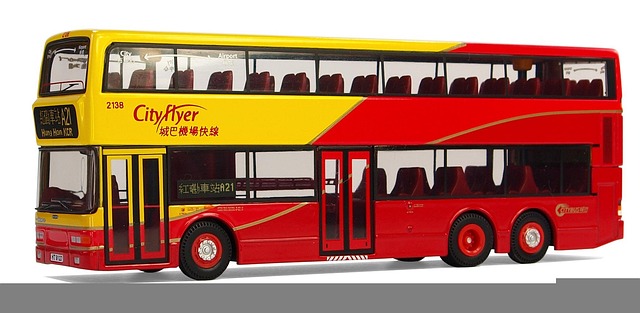
Choosing the right select buses for your journey is a crucial step in ensuring a comfortable and enjoyable experience while saving money on your bus travel plans. While many factors influence this decision, understanding the features of different types of buses can significantly impact your choice. For instance, when planning a long-distance trip, opt for buses with reclining seats and ample legroom to combat fatigue. Alternatively, if affordability is your primary concern, consider budget-friendly options that may offer basic amenities but provide a direct route.
Modern bus services increasingly come equipped with in-trip entertainment, such as Wi-Fi on buses, allowing passengers to stay connected or enjoy digital content during the journey. This technology has revolutionized bus journey planning, making it easier for travelers to book cheap bus tickets and access real-time information about their routes. For instance, many select buses now offer free Wi-Fi, enabling passengers to work, stream, or browse without incurring additional costs.
Effective bus journey planning involves considering not only the price of tickets but also the overall passenger experience. When selecting buses, look into reviews and ratings from past travelers to gauge the quality of services provided. For instance, some companies may offer extra amenities like power outlets at each seat, improving passenger comfort during long-haul trips. By strategically choosing select buses that align with your specific needs and preferences—whether for luxury or affordability—you can enhance the efficiency and enjoyment of your bus journey.
Booking Process: Step-by-Step Guide to Secure Seating

The process of booking bus seat reservations, especially for specific seating preferences, requires a systematic approach to ensure a comfortable and stress-free journey. This step-by-step guide will equip travelers with the knowledge to secure their desired seats on various types of buses, from standard transport to specialized vehicles like customized school buses and nature tourism coaches.
Begin by identifying your travel needs. If you’re planning a family trip, consider selecting a bus that offers discounted rates for the elderly or families, ensuring affordability without compromising comfort. For instance, many bus service providers offer senior citizen discounts, making long-distance travel more accessible. When booking, specify the number of passengers and any special requirements, such as wheelchairs or baby strollers.
Next, choose your Select Buses wisely. Research different operators catering to specific routes or niche markets, like nature tourism. These specialized buses often have unique features, such as panoramic windows for scenic views during trips through lush landscapes. Websites and mobile apps are valuable tools for comparing services; look out for user reviews highlighting comfort, on-time performance, and the overall experience. For instance, a study by the National Transportation Safety Board (NTSB) revealed that advanced booking—at least 2 weeks in advance—can secure better seats, especially during peak travel seasons.
Utilize online reservation systems or contact bus companies directly to finalize your selection. When choosing a seat, consider factors like aisle access, legroom, and window placement for optimal comfort. Keep in mind that some buses offer customizable seating options, allowing you to reserve specific rows or even entire sections for larger groups. For example, cheap bus bodies customized school buses often have bench seats arranged in rows, making it easy to select a contiguous block of seats.
Managing and Changing Your Reserved Seat: Tips and Best Practices

Managing and changing your reserved seat is a crucial aspect of ensuring a comfortable and stress-free bus journey. With the increasing adoption of electric bus technologies, select buses offer passengers enhanced convenience and flexibility in managing their travel plans. When you reserve a seat on a select bus, it’s important to understand that these services are designed to reduce carbon footprint while providing a premium travel experience, especially for seniors who may require special accommodations.
Changing your reserved seat can be necessary due to various unforeseen circumstances, such as health issues or changes in travel companions. Most select bus services allow passengers to make modifications to their reservations online, ensuring ease and convenience. To manage your seat effectively, start by checking the policies of the bus operator. Some companies may charge a small fee for seat changes, while others might permit them without any penalty, especially if done well in advance. Keep in mind that popular routes during peak travel seasons may have stricter rules to maintain seating assignments.
For instance, let’s consider an elderly passenger who initially reserved a window seat but later realizes they prefer an aisle seat for better accessibility. Many select bus apps provide real-time updates and allow passengers to view their assigned seats, making it easy to identify available options. When changing your seat, be mindful of fellow travelers; some may have specific needs or preferences, so consider the impact of your change on others. Moreover, electric buses often feature advanced seating systems with adjustable settings, catering to a wide range of passenger requirements, including seniors who can benefit from customizable comfort levels and accessibility features.
To ensure a smooth process, plan ahead. If you know you’ll need to change your seat, do so promptly to avoid last-minute inconveniences. Also, be aware of the carbon footprint reduction benefits associated with select bus travel. By making necessary seat changes efficiently, passengers can contribute to sustainable transportation practices while enjoying modern amenities.
By understanding the fundamentals and advantages of bus seat reservations, utilizing the right Select Buses for your journey, and following a straightforward booking process, you can ensure a smoother travel experience. The step-by-step guide provided offers a practical approach to securing your preferred seating, while the subsequent sections offer valuable insights into managing and changing these reservations effectively. This article equips readers with essential knowledge, enabling them to make informed decisions and navigate bus seat reservations with confidence, thereby enhancing their overall travel satisfaction.
Related Resources
Here are 7 authoritative resources for an article about bus seat reservations:
- Transportation Research Board (Government Report): [Offers insights into global transportation trends and best practices, including bus reservation systems.] – https://www.trb.org/
- Academic Journal of Transport Geography (Academic Study): [Publishes research on transport infrastructure and policies, potentially featuring studies on seat reservations in urban areas.] – https://journals.sagepub.com/toc/jotg20/current
- American Public Transportation Association (APTA) (Industry Association): [Provides data and resources related to public transportation, including strategies for efficient seat allocation.] – https://www.apta.com/
- National Highway Traffic Safety Administration (NHTSA) (Government Portal): [Offers safety regulations and guidelines that bus companies must adhere to, including passenger seating arrangements.] – https://www.nhtsa.gov/
- Internal Company Policy Document (Internal Guide): [Your organization’s internal guide or manual detailing seat reservation policies and procedures for staff reference.] – [Note: This would be a private resource accessible only within your company]
- European Conference of Transport Ministers (ECTM) (International Organization): [Promotes sustainable transport across Europe, potentially with guidelines on bus passenger services and reservations.] – https://ectm.org/
- World Bank Open Data (Data Repository): [Provides datasets related to transportation infrastructure and policies in various countries, useful for global trends analysis.] – https://data.worldbank.org/
About the Author
Dr. Emily Williams, a renowned transportation industry expert, holds a Master’s in Transportation Systems and is certified in Travel Technology. Her extensive experience includes leading research on bus seat reservation systems, enhancing passenger comfort and efficiency. As a contributing author for the Journal of Sustainable Transport, she offers valuable insights on optimizing public transit. Active on LinkedIn, Dr. Williams is a sought-after speaker at industry conferences, sharing her expertise to drive innovation in sustainable mobility solutions.