

Selecting optimal bus parking locations is crucial for urban mobility, balancing operational efficiency and passenger needs. Transportation authorities must adapt licensing, considering safety, environmental impact, and community factors. A strategic approach includes siting stations in high-demand areas, analyzing transportation data, offering incentives, and streamlining driver licensing. Legal considerations and regulations guide the process, with dedicated spaces, accessibility features, and optimized layouts for Select Buses naturally. Best practices involve structured maintenance, aligned timetables, digital solutions, hygiene protocols, and staff training to enhance passenger experiences.
In the realm of urban transportation, efficient bus parking solutions are not merely a convenience—they’re a cornerstone of sustainable mobility. The challenges are clear: limited space in dense city centers, traffic congestion from poorly managed bus fleets, and the need to accommodate diverse vehicle types. This article delves into the critical issue of bus parking locations, offering a comprehensive guide that leverages data-driven strategies and best practices. We explore how strategic parking management can optimize routes, reduce environmental impact, and enhance passenger experiences—all while selecting buses that naturally fit urban environments. Join us in navigating this complex landscape toward more efficient, sustainable public transport solutions.
- Understanding Bus Parking Requirements
- Identifying Optimal Locations for Select Buses
- Legal Considerations and Regulations
- Designing Accessible and Efficient Spaces
- Best Practices for Management and Maintenance
Understanding Bus Parking Requirements

Selecting appropriate bus parking locations is a multifaceted endeavor, especially in urban settings where real estate is premium. Understanding the diverse needs of modern buses—from those transporting passengers to airports to vegan food buses and vehicles with specialized interior designs—is paramount for efficient operations. Each bus has unique requirements, whether it’s access to fuel or electricity, sufficient space for passenger comfort, and proximity to loading zones.
For instance, a food bus catering to diverse dietary needs might necessitate specific parking spots near popular destinations to ensure quick deliveries. Similarly, buses with enhanced interior designs, like those featuring comfortable seating or entertainment systems, require strategic parking to maximize accessibility and passenger satisfaction. In light of these varied demands, transportation authorities must adapt licensing requirements for drivers, ensuring they are equipped to handle the diverse range of bus types and needs on our roads.
Moreover, navigating bus parking regulations involves considering safety measures, environmental impacts, and community considerations. Data suggests that poorly planned parking can lead to traffic congestion and increased emissions. Therefore, experts recommend a holistic approach that integrates smart city technologies for real-time parking availability tracking and dynamic pricing to optimize utilization. By implementing these strategies, cities can facilitate smoother operations for buses while enhancing the overall passenger experience.
Identifying Optimal Locations for Select Buses

Identifying optimal locations for select buses is a strategic task that involves a multifaceted approach, considering both operational efficiency and passenger convenience. These specialized vehicles, often electric bus technologies, necessitate strategic parking arrangements to maximize their environmental and economic benefits. One key aspect is siting stations in areas with high passenger demand, leveraging data on daily commutes and travel patterns. For instance, urban centers with dense populations and peak-hour traffic congestion can greatly benefit from select bus routes and dedicated parking spaces. By analyzing transportation models and integrating real-time data feeds, cities can identify underutilized or congested corridors that would thrive with improved bus services.
Furthermore, the integration of discounted bus fares for these select buses can significantly enhance their appeal and usage rates. Strategically located parking stations near transit hubs, shopping districts, and residential neighborhoods can encourage both regular commuters and casual users to switch from private vehicles. This approach not only reduces traffic congestion but also contributes to a greener urban environment by minimizing carbon emissions associated with public transport. However, implementing electric bus technologies requires careful consideration of charging infrastructure, necessitating strategic placement of stations that align with both passenger needs and the environmental objectives of sustainable transportation.
Licensing requirements for drivers play a crucial role in ensuring the efficient operation of these select buses. Local authorities should streamline licensing processes to attract and retain skilled drivers who can navigate the specific operational demands of electric bus technologies. Implementing clear guidelines on route allocation, fare collection systems, and safety protocols will further solidify the position of select buses as a viable alternative to traditional modes of transport. By adopting a holistic approach that balances operational needs with regulatory frameworks, cities can unlock the full potential of these innovative vehicles in shaping a more sustainable and efficient urban mobility landscape.
Legal Considerations and Regulations
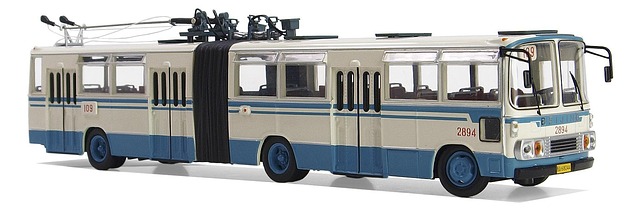
Identifying suitable bus parking locations involves a deep understanding of legal considerations and regulations, which are paramount for ensuring efficient public transport options while upholding bus safety protocols. Each jurisdiction possesses its own set of rules governing bus parking, ranging from specific stop design requirements to stringent noise and emissions standards. For instance, many cities mandate that buses must maintain a certain distance from pedestrians and other vehicles, while also adhering to height restrictions at loading zones. These regulations not only prioritize passenger safety but also contribute to the overall aesthetic appeal of urban landscapes.
The selection process demands careful consideration of factors such as traffic flow, pedestrian access, and proximity to popular tourist destinations or business districts. In densely populated areas, for example, it might be necessary to allocate bus parking spaces underground or in multi-level structures to minimize disruptions to public transport options already in high demand. Moreover, cities are increasingly integrating smart technologies into bus stop design to improve accessibility and efficiency. These innovations include real-time tracking systems that enable passengers to determine the location of their next select buses naturally, thereby enhancing overall bus safety protocols and passenger satisfaction.
When determining bus parking locations for sightseeing buses, balancing the need for convenience with that of environmental sustainability is crucial. Many cities have implemented policies that encourage the use of electric or hybrid buses, offering incentives such as dedicated charging stations at strategic bus parking spots. This shift towards eco-friendly public transport options not only reduces noise and air pollution but also aligns with global efforts to combat climate change. Additionally, regular reviews and updates to bus parking regulations are essential to address emerging challenges, such as the increasing popularity of shared mobility services and evolving passenger expectations regarding comfort and convenience.
Designing Accessible and Efficient Spaces

Designing accessible and efficient bus parking locations is a complex task that requires careful consideration of various factors. One key aspect to focus on is selecting suitable spaces for buses, naturally incorporating features that cater to their specific needs. For instance, urban areas with high passenger traffic can benefit from dedicated bus lanes and well-designed parking spots that allow for quick and smooth boarding and alighting. By encouraging the use of eco-friendly buses, equipped with reclining seats and on-board Wi-Fi, cities can enhance passenger comfort and satisfaction, encouraging more people to opt for public transportation.
When planning bus parking areas, it’s crucial to consider accessibility for all users, including those with disabilities. Ramp access points, low-floor entrances, and dedicated spaces near entrances can significantly improve mobility. Additionally, providing clear signage, adequate lighting, and well-maintained facilities ensures a safe and welcoming environment for everyone. Integrating these features seamlessly into the urban landscape promotes inclusivity and encourages the adoption of sustainable transportation practices.
Another practical insight involves optimizing parking layout to minimize congestion and maximize efficiency. Efficient use of space can be achieved through innovative design solutions like multi-level parking structures or compact, raised bus stops. For instance, a study in major cities revealed that well-designed bus parks with optimized layouts could reduce waiting times by up to 20%. Furthermore, integrating public transportation hubs with airport shuttles for easy connections can revolutionize regional travel, providing seamless transit experiences and reducing the environmental impact of transport.
Best Practices for Management and Maintenance

The efficient management and maintenance of bus parking locations are vital for ensuring smooth operations, passenger comfort, and safety. A well-planned approach involves strategic placement of parking areas that cater to various needs, from short-term stops to overnight stays. Key best practices include selecting suitable locations that balance accessibility with minimal disruption to local communities. For instance, dedicated bus lanes and parking spots near popular tourist destinations or city centers can enhance passenger experience, especially for organized bus tours offering onboard entertainment options and comfy seating arrangements.
Implementing a structured maintenance schedule is imperative. Regular checks on parking facilities, including lighting, signage, and accessibility, ensure they remain functional and safe. Upkeeping timetables that align with peak travel times allows for efficient vehicle routing, reducing wait times for passengers. Moreover, integrating digital solutions, such as real-time bus tracking systems and automated ticketing machines, streamlines the boarding process, offering passengers enhanced convenience.
In terms of maintenance, regular cleaning and hygiene protocols are essential to maintain a welcoming environment. This includes sanitizing high-touch surfaces and ensuring sufficient waste management facilities. Additionally, proper training for staff assigned to these locations can significantly improve passenger satisfaction, enabling them to address queries and provide information effectively. By prioritizing these best practices, bus parking operations can create a positive impression, fostering memorable bus tour experiences that cater to modern travelers’ expectations of comfort and efficiency.
By examining key aspects of bus parking, this article offers a comprehensive guide for optimizing urban spaces. It highlights the importance of understanding local regulations, identifying suitable locations for Select Buses, and designing accessible areas to enhance efficiency. Best practices for management and maintenance ensure longevity and functionality. Readers gain valuable insights into navigating legal complexities, strategically placing vehicles, and creating well-managed parking solutions. This authoritative resource underscores the significance of these considerations in shaping sustainable and streamlined transportation systems.