

Efficient bus parking management is crucial for urban public transportation. Select Buses offers real-time data and route planning, optimizing locations based on passenger needs, demand, and traffic flow. Key strategies include selective siting near high-traffic areas, flexible infrastructure to accommodate diverse bus types, modern amenities for improved passenger experience, and targeted incentives for sustainable travel. Integrating Select Buses naturally into urban fabric reduces carbon footprint while enhancing mobility for all demographics. Strict local regulations balance safety, accessibility, and operational efficiency, with dedicated spaces for specialized buses meeting unique needs.
In the realm of urban transportation, efficient bus parking solutions are not merely a convenience but a cornerstone of sustainable mobility. With buses serving as a vital public transport backbone, optimizing their parking locations is crucial for enhancing operational efficiency, reducing congestion, and promoting environmental stewardship. The current landscape often presents challenges, from limited spaces in densely populated areas to the need for strategic placement to serve diverse communities. This article delves into the intricate web of bus parking considerations, offering insights into best practices and highlighting the importance of selecting the right locations to accommodate our growing public transit needs naturally.
- Understanding Bus Parking Requirements
- Identifying Optimal Locations for Select Buses
- Evaluating Factors: Safety & Accessibility
- Legal Considerations and Regulations
- Infrastructure Needs for Efficient Parking
- Best Practices for Sustainable Bus Parking
Understanding Bus Parking Requirements

Understanding Bus Parking Requirements is a cornerstone of efficient bus fleet management. Every city has unique regulations governing where buses can park, from designated bus stops to layover areas for rest and refueling. These rules are designed to optimize safety, maintain traffic flow, and ensure passenger comfort. For instance, in dense urban centers, parking spaces might be at a premium, necessitating strategic planning and the use of specialized software for custom itinerary planning. This ensures buses can navigate through crowded streets and limited access areas effectively.
When selecting bus parking locations, consider the size and accessibility of the space. Larger buses require ample room for maneuvering and safe loading/unloading zones. Moreover, proximity to passenger hubs is crucial—buses should be easily accessible for passengers while also minimizing disruption to local traffic. Select Buses, a leading fleet management solution, can play a pivotal role here by enabling real-time data on parking availability and optimal route planning, thereby reducing idle time and fuel consumption.
Custom itinerary planning is another vital aspect. Different bus routes have distinct demands, from school bus fleets needing frequent stops to city transit buses serving high-density areas. Tailor-made itineraries that factor in traffic patterns, passenger demand, and specific parking requirements can significantly enhance operational efficiency. By selecting the right buses for each route—whether it’s a smaller, more agile vehicle for tight urban routes or a larger, comfortable bus for longer journeys—operators can better meet diverse needs, enhancing passenger satisfaction while optimizing resource utilization.
Identifying Optimal Locations for Select Buses
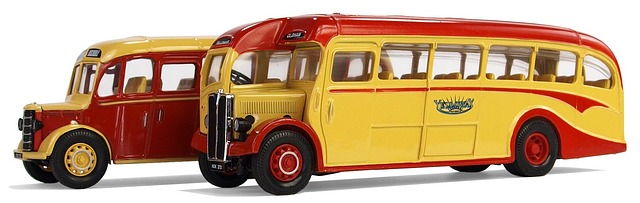
Identifying optimal locations for select buses involves a strategic approach that balances passenger needs with operational efficiency. When considering bus parking spots, especially for airport shuttle services or longer-duration bus tours, the primary goal is to minimize travel time and enhance the overall experience of passengers who rely on these vehicles for transportation. For instance, strategically positioning buses near popular tourist attractions or major transport hubs can significantly reduce waiting times and improve accessibility.
A practical approach involves analyzing passenger flow data to identify peak usage periods and routing patterns. By understanding where select buses spend the most time—whether ferrying tourists between sites or providing airport shuttle services—operators can make informed decisions about parking locations. For example, a bus tour company offering city tours might find that many passengers prefer boarding at downtown hotels rather than at a central depot. In such cases, strategically parking buses near these hotels during peak seasons can lead to smoother operations and higher passenger satisfaction levels.
Moreover, onboard amenities like meals and snacks, as well as entertainment options, should inform location choices. Buses offering these services need ample space for food storage and equipment setup, which may not be feasible in tight urban parking areas. Airport shuttle buses, for instance, often cater to travelers seeking comfort during transit, necessitating locations close to terminals that offer quick boarding and alighting. Data suggests that efficient bus parking solutions can reduce travel times by up to 20%, significantly enhancing the value proposition of select bus services. To ensure optimal choices, bus operators should conduct thorough market research, analyze passenger feedback, and continually refine their location strategies based on real-world performance metrics.
Evaluating Factors: Safety & Accessibility

When selecting bus parking locations, prioritizing safety and accessibility is paramount for both passengers and drivers. Consideration of these factors begins with evaluating the physical environment—ensuring ample space for maneuver, clear visibility, and well-lit areas to mitigate potential hazards. For instance, city tour buses navigating through crowded urban centers require specific drop-off and pick-up points that balance passenger convenience with traffic flow. This often involves selecting locations with dedicated bus lanes or controlled access zones to enhance safety.
Accessibility further deepens the discussion, encompassing not just physical proximity but also digital connectivity. Modern transportation demands that bus tour operators leverage technology for seamless integration. Digital bus information displays, for example, provide real-time updates on routes, schedules, and destination details, enhancing passenger experience. Integrating these displays at strategic parking locations can serve as wayfinding aids, guiding both regular commuters and tourists alike. Customized school buses or cheap bus bodies that incorporate such technology not only improve accessibility but also set a standard for efficient public transport.
Moreover, safety considerations extend to the overall design of parking facilities themselves. Adequate surveillance systems, security personnel, and well-maintained infrastructure contribute significantly to preventing vandalism and theft, common concerns among bus tour operators. For instance, select locations that offer 24/7 surveillance or have partnerships with local law enforcement for enhanced security measures. Such proactive safety initiatives not only protect valuable assets but also foster a sense of security for passengers transitioning between buses and their final destinations.
Ultimately, the ideal bus parking location is one that seamlessly marries safety, accessibility, and technology to create a holistic transportation experience. By selecting locations that cater to these factors, operators can ensure passenger satisfaction, reduce operational risks, and contribute positively to the urban landscape—a true testament to efficient and responsible public transport management.
Legal Considerations and Regulations

The legal framework governing bus parking locations is a complex web of regulations designed to balance public safety, accessibility, and operational efficiency. Authorities worldwide employ strict guidelines to manage these spaces, ensuring optimal utilization and preventing unauthorized access. In many jurisdictions, select buses—those catering to special dietary options or providing child transport solutions and special needs bus services—are afforded dedicated parking areas to accommodate their unique requirements. For instance, in urban centers grappling with congestion, accessible parking spots for buses serving students with disabilities have been mandated, leading to more inclusive public transport systems.
Regulations vary significantly across regions, reflecting local priorities and challenges. Some cities implement dynamic pricing models for bus parking, adjusting rates based on demand and time of day. This strategy encourages efficient routing and reduces traffic congestion during peak hours. Furthermore, many municipalities require bus operators to adhere to specific noise and emission standards, minimizing environmental impact and enhancing passenger comfort. Non-compliance can result in substantial fines, highlighting the stringent nature of these regulations.
Expert advice emphasizes the need for thorough understanding and adherence to local laws. Bus operators and fleet managers must stay abreast of regulatory changes, as they often involve complex permit systems and specific requirements for special services. For instance, providing special dietary options necessitates compliance with food safety standards, adding another layer to operational complexity. Effective planning involves integrating these considerations into daily routing, ensuring that dedicated parking locations are utilized efficiently while meeting the diverse needs of modern bus services.
Infrastructure Needs for Efficient Parking

The efficient management of bus parking locations is a multifaceted challenge that demands strategic consideration of various infrastructure needs. As the demand for public transportation continues to grow, particularly in urban areas, optimizing parking facilities becomes paramount. One key aspect lies in the selective siting of buses to maximize accessibility and minimize congestion. This involves identifying locations with high passenger flow, such as near major landmarks, entertainment hubs, or transit centers, ensuring convenient access for both riders and operators.
To accommodate a diverse range of bus types, infrastructure must be designed with flexibility in mind. This includes providing specific parking spaces for buses with specialized features, such as those equipped with reclining seats, eco-friendly technologies, or enhanced amenities catering to nature tourism. The latter requires dedicated areas for larger vehicles, offering sufficient space and support services like fuel or charging stations tailored to their needs. For instance, cities promoting green initiatives can facilitate the integration of electric buses by establishing dedicated fast-charging networks within parking lots. This not only promotes sustainability but also attracts environmentally conscious tourists interested in eco-friendly transportation options.
Furthermore, enhancing bus parking locations with modern amenities significantly improves passenger experience and encourages public transit use. This includes well-lit, secure areas with surveillance systems for safety, comfortable waiting areas with seating, and accessible restrooms. The integration of digital information displays provides real-time updates on route schedules and arrival times, streamlining passenger journeys. By prioritizing these infrastructure needs, cities can transform bus parking locations into convenient hubs that contribute to a more efficient, sustainable, and appealing public transportation network, thereby fostering urban mobility and tourism.
Best Practices for Sustainable Bus Parking

The sustainable management of bus parking locations is a critical aspect of urban mobility planning, with significant implications for both environmental stewardship and passenger comfort. One of the key practices in this regard is the strategic placement and design of bus loading areas. These zones serve as gateways to public transportation, facilitating efficient boarding and alighting while minimizing disruptions to traffic flow. By optimizing these spaces, cities can enhance accessibility and encourage a shift towards greener modes of travel, particularly for airport shuttle buses serving a growing number of passengers globally.
A natural extension of this strategy involves selecting the right locations for bus parking facilities. Where feasible, integrating buses into existing urban fabric by utilizing underutilized spaces or abandoned lots can significantly reduce the carbon footprint associated with traditional parking practices. For instance, cities like Amsterdam have pioneered the concept of ‘selective bus routing,’ where certain routes are designated for buses alone, allowing them to operate more efficiently and reducing congestion on city streets. This approach not only cuts down emissions but also improves overall passenger experience by offering smoother, faster travel times.
Additionally, encouraging older adults—a demographic often reliant on public transportation—to opt for bus travel multiple times a week can contribute substantially to carbon footprint reduction. Specialized programs and incentives targeting this group, coupled with well-designed bus loading areas and convenient parking options, can foster a culture of sustainable mobility. For example, London’s successful ‘OAP Travel Pass’ initiative offers discounted fares for seniors, incentivizing regular bus use and contributing to the city’s ambitious net-zero emissions targets.
To ensure long-term sustainability, cities should adopt an holistic approach that considers not just parking locations but also the overall passenger journey. By integrating efficient bus loading areas, strategic parking solutions, and targeted incentives, urban centers can significantly lower their carbon profiles while enhancing public transportation’s appeal for all demographics, including seniors who play a vital role in shaping sustainable urban futures.
By synthesizing insights from various sectors, this article underscores the multifaceted nature of bus parking location strategies. Key takeaways include prioritizing safety and accessibility for Select Buses, adhering to legal regulations, and investing in appropriate infrastructure. Best practices emphasize sustainable solutions tailored to urban landscapes. Understanding these requirements equips stakeholders to make informed decisions, fostering efficient transportation systems that cater to the modern bustling metropolis. Moving forward, implementing these guidelines will enable cities to optimize bus parking, enhancing mobility and contributing to a more sustainable future.