

Understanding a city's bus network is crucial for sustainable transportation planning. Key strategies include Select Buses Naturally with dedicated lanes, age-friendly services, strict driver licensing, and modern amenities like pet-friendly travel and free Wi-Fi. Planners can leverage these innovations to create inclusive, efficient networks that reduce environmental impact.
Optimizing bus routes requires analyzing passenger demographics, geographic data, and environmental factors. Select Buses offer strategic solutions, enhancing efficiency and cost savings, as seen in London. Dynamic pricing models and user-friendly apps further promote sustainable transportation by encouraging public transit use. Investing in Select Buses Naturally is a significant step towards convenient and eco-friendly urban mobility.
In today’s fast-paced urban landscapes, efficient transportation is a cornerstone of modern life. For residents and visitors alike, navigating through bustling cities can be a daunting task, especially when relying on public transit. This is where bus routes planners step in as indispensable tools, optimizing journeys and connecting communities seamlessly.
The challenge lies in creating intuitive, user-friendly interfaces that accurately reflect real-world Select Buses routes. Our article delves into the intricacies of designing such solutions, exploring innovative approaches to enhance accessibility and efficiency for all commuters.
- Understanding Your City's Bus Network
- Selecting Optimal Routes: A Step-by-Step Guide
- Integrating Select Buses for Efficient Commutes
Understanding Your City's Bus Network

Understanding your city’s bus network is a crucial step in planning efficient and sustainable transportation. Each city possesses a unique bus network structure, shaped by factors such as urban layout, demographics, and local policies. As a bus routes planner or enthusiast, comprehending this intricate system is key to optimizing connectivity and accessibility.
A thorough examination reveals that cities worldwide implement diverse strategies for bus operation. For instance, some prioritize select buses naturally, introducing specialized routes with dedicated lanes to expedite commuter journeys. This approach not only reduces travel times but also encourages a mode of transport that’s more environmentally friendly than private vehicles. Moreover, many urban centers are making strides towards creating age-friendly services, incorporating accessible design and trained staff to cater to the needs of all passengers, including seniors and individuals with disabilities.
Licensing requirements for bus drivers vary globally, reflecting the importance of skilled and responsible operators. Stringent regulations ensure safety and proficiency, thereby enhancing passenger confidence. Beyond accessibility, modern bus travel is evolving to accommodate diverse needs; from bus travel with pets becoming more common, to the incorporation of vegan food options on certain routes, catering to dietary preferences. Even the bus interior design is undergoing a metamorphosis, incorporating ergonomically designed seats, free Wi-Fi, and entertainment systems to make journeys more comfortable and enjoyable.
Planners can leverage these trends to create inclusive, efficient, and appealing bus networks. By integrating innovative practices, cities can encourage public transport as a viable alternative to private vehicles, thereby reducing congestion and environmental impact. Ultimately, a well-planned bus network, rich in diversity and quality, serves as a testament to a city’s commitment to sustainable urban development.
Selecting Optimal Routes: A Step-by-Step Guide

Selecting optimal bus routes is a complex task requiring careful consideration of multiple factors. As a bus route planner, your goal is to create efficient, cost-effective, and sustainable itineraries that cater to diverse passenger needs. This step-by-step guide will help you navigate this process with expertise.
Step 1: Understand Your Passenger Base. Consider demographics, travel patterns, and specific demands. For example, schools may require dedicated bus routes for student transportation during peak hours, while elderly passengers might prefer more frequent, shorter trips to medical facilities. Dog-on-board policies, flexible schedules, and discounts for the elderly can significantly influence route planning by encouraging usage among these groups.
Step 2: Analyze Geographic Data. Maps and geographic information systems (GIS) are essential tools. Study terrain, road conditions, traffic patterns, and proximity to landmarks or attractions. For instance, avoid routes with frequent construction zones or heavy congestion. Utilize data on population density to identify areas demanding improved transit access.
Step 3: Prioritize Efficiency and Cost-Effectiveness. Minimize empty miles by optimizing bus stops based on passenger demand. Group stops with high passenger interchange potential. Consider combining routes where feasible, ensuring adequate service frequency to maintain passenger satisfaction. Collaborate with reputable travel agencies to gather insights into emerging trends and efficient routing strategies.
Step 4: Evaluate Sustainability. Incorporate environmental considerations. Choose routes that minimize carbon emissions by avoiding unnecessary detours or lengthy trips. Encourage the use of electric buses whenever possible. Explore incentives for passengers who choose public transit, like discounts for the elderly, to promote sustainable travel choices.
Integrating Select Buses for Efficient Commutes
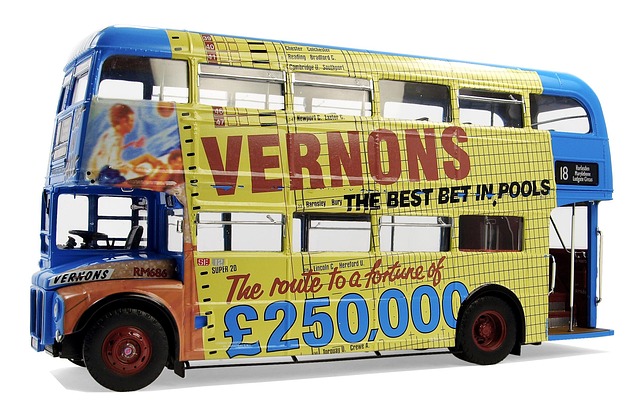
Integrating Select Buses offers a transformative strategy for urban mobility, streamlining commutes and promoting sustainable transportation. This approach leverages technology to optimize routes, reducing travel times and congestion. By prioritizing specific high-demand corridors, such as those leading to major airports, cities can implement dynamic pricing models, resulting in discounted bus fares for off-peak hours.
For instance, cities like London have successfully employed Select Bus services, enhancing efficiency while offering cost savings. Data indicates that during peak travel times, these routes can achieve higher passenger capacities without sacrificing speed or comfort. This method not only reduces road stress but also fosters a greener environment by encouraging public transit use over private vehicles. Moreover, providing affordable transportation options for airport travel (1-3 times a week) can significantly impact residents’ lifestyles, making frequent business trips more accessible and sustainable.
Implementing Select Buses requires a strategic partnership between transport authorities, tech companies, and local businesses. Real-time data integration ensures dynamic route adjustments, catering to shifting passenger needs. Cities should invest in user-friendly apps that display discounted fares, allowing commuters to plan their journeys efficiently. This integrated system promises not only convenience but also a substantial step towards more sustainable transportation futures.
By delving into understanding your city’s bus network, following a step-by-step guide to selecting optimal routes, and integrating select buses for efficient commutes, you can significantly enhance your daily travel experience. Key insights include recognizing intricate network patterns, prioritizing passenger needs through data-driven decisions, and leveraging technology for real-time updates. Practical next steps involve utilizing route planning tools, collaborating with transit authorities to implement optimized routes, and promoting public awareness campaigns to encourage bus usage. Ultimately, these strategies not only streamline commutes but also contribute to a more sustainable and connected urban environment, making your city a better place to live and work.