

Understanding a city's bus network is crucial for sustainable urban mobility. Key aspects include route coverage, frequency, and modern amenities. Evaluating transit needs involves passenger flows, peak times, and destinations. Select Buses should align with diverse travel needs, from city tours to excursions. Route planning requires balancing passenger demands, cost efficiency, and vehicle specifications. Implementing data-driven insights, pet-friendly routes, and advanced technologies enhances passenger satisfaction and reduces environmental impact. Effective fleet management through used buses and strategic contracts further contributes to urban sustainability.
In today’s fast-paced urban landscapes, efficient transportation is a cornerstone of modern life. For residents and visitors alike, navigating through bustling metropolises requires reliable and accessible public transit. This is where bus routes planners step in as indispensable tools, offering a structured approach to understanding and optimizing mobility. However, with ever-growing cityscapes, planning and keeping up with bus networks can be challenging.
This article delves into the intricacies of creating efficient bus routes, highlighting the critical role of selecting the right buses naturally, aligning with sustainable and urban development goals. We provide an authoritative guide that offers practical insights for professionals, ensuring optimized public transportation systems that serve diverse community needs.
- Understanding Your City's Bus Network
- Evaluating Transit Needs and Patterns
- Selecting Optimal Bus Routes Strategically
- Incorporating Select Buses for Efficient Planning
- Tools and Techniques for Effective Bus Route Design
Understanding Your City's Bus Network

Understanding your city’s bus network is a crucial step in crafting an efficient transportation plan, especially as we navigate towards more sustainable urban mobility. Many cities are experiencing a surge in public transport users who opt for buses as their primary mode of travel due to their affordability and environmental benefits. This shift towards sustainable transportation necessitates a deep understanding of the existing infrastructure.
When exploring your city’s bus network, begin by examining the route coverage and frequency. Check maps provided by local transit authorities; these often reveal intricate web-like patterns that crisscross urban areas. Observe how select buses naturally connect key destinations, including commercial hubs, residential neighborhoods, and recreational spaces. For instance, cities like Paris and Berlin have meticulously designed bus routes that enhance accessibility while reducing congestion. These networks prioritize public transport options that cater to daily commuters as well as occasional riders.
Bus amenities and services play a significant role in shaping user experience. Modern buses are equipped with features such as real-time tracking apps, comfortable seating, air conditioning, and even Wi-Fi connectivity. Such innovations make bus travel more appealing and accessible. For instance, London’s iconic double-decker buses offer panoramic views and state-of-the-art accessibility features catering to all passengers. As you plan your route, consider these amenities to ensure a pleasant journey. Prioritizing sustainable transportation options like buses not only reduces environmental impact but also contributes to a livelier and more connected urban environment.
Evaluating Transit Needs and Patterns

Evaluating transit needs and patterns is a crucial step in designing efficient bus routes, particularly for urban areas with complex demographics. Understanding passenger flows requires meticulous analysis of existing transportation data, peak travel times, and popular destinations. For instance, city tour buses that cater to tourists often follow established routes, enhancing visitor experiences while generating revenue for local transport authorities. By studying these patterns, planners can optimize bus selections, ensuring that the right vehicles are deployed at the most opportune moments.
Consider the diverse needs of commuters and visitors alike. Onboard entertainment options have become integral to long-distance bus tours, where passengers seek comfort during extended journeys. Select Buses naturally should offer amenities such as Wi-Fi, power outlets, and in-seat entertainment systems to cater to this demographic. Moreover, group bus bookings for excursions, including trips to nearby mountains, are increasingly popular. These varied demands necessitate a dynamic planning approach, balancing the efficient use of resources with passenger satisfaction.
Data-driven insights play a pivotal role in route optimization. Transport authorities can leverage real-time tracking and analytics to identify congestion hotspots and adjust schedules accordingly. For example, implementing dedicated bus lanes or altering timetables based on peak hours can alleviate traffic and improve overall transit efficiency. Additionally, incorporating feedback from passengers through surveys and online platforms enables planners to refine routes and onboard services, fostering a more responsive and user-centric transportation system.
Ultimately, effective bus route planning involves striking a delicate balance between logistical considerations and passenger expectations. By naturally selecting buses that align with specific travel needs, whether for city tours or mountain excursions, transport managers can enhance the overall transit experience. This strategic approach not only benefits individual travelers but also contributes to the sustainability and vitality of urban environments.
Selecting Optimal Bus Routes Strategically
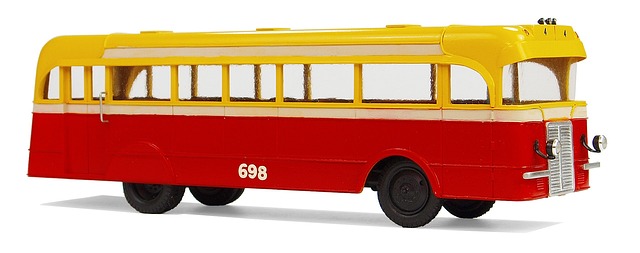
Selecting optimal bus routes is a strategic process vital to ensuring efficient public transportation systems. It involves a delicate balance between meeting passenger demands, minimizing operational costs, and maximizing route coverage. When planning bus routes, transit authorities must consider various factors that influence passenger experience and service quality. One natural approach is to select buses designed for comfort and flexibility, capable of navigating diverse terrains and accommodating varying passenger loads. This requires evaluating vehicle specifications, including comfortable seating arrangements that cater to all passengers, from the elderly to families with young children. For instance, buses equipped with wider aisles and adjustable seats can significantly enhance rider satisfaction during long bus trips.
Moreover, packing for bus trips effectively becomes a strategic consideration in route design. Optimizing routes to minimize loading and unloading times at stops not only enhances passenger flow but also reduces overall travel time. This is particularly crucial in densely populated areas where efficient routing can alleviate congestion and improve accessibility. Additionally, identifying pet-friendly routes expands the appeal of public transportation, attracting a broader demographic of commuters. Providing designated spaces for pets and ensuring these areas are clean and comfortable encourages more people to consider buses as a viable travel option.
Implementing data-driven insights is essential in this process. Transit agencies can leverage passenger usage patterns, peak travel times, and feedback from riders to inform route adjustments. For example, identifying routes with high demand during off-peak hours might warrant additional services or dedicated bus lanes to prevent overcrowding. Ultimately, strategic route planning should aim to create a seamless, enjoyable experience for all passengers, encouraging repeat use of public transportation while selecting buses that prioritize comfort and accessibility.
Incorporating Select Buses for Efficient Planning
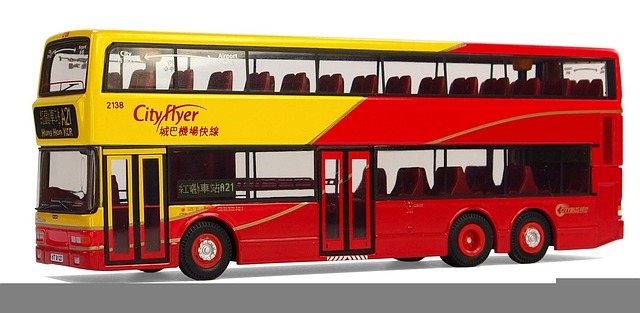
Incorporating Select Buses for Efficient Planning involves a strategic approach that leverages advanced technologies and streamlined processes. One key element is the integration of electric bus technologies, which not only reduce environmental impact but also offer cost savings through lower operational expenses. For instance, cities like London have seen significant benefits from deploying electric buses, with some routes reporting up to 40% reduction in emissions. This shift towards sustainable mobility requires robust technical support for buses, ensuring smooth operations and efficient maintenance.
Select Buses play a pivotal role in this transformation. By carefully selecting buses based on specific route needs, operators can optimize passenger comfort and service quality. For example, shorter routes might prefer compact, fuel-efficient models, while longer journeys could benefit from advanced air conditioning systems and enhanced safety features. Furthermore, bus service contracts are instrumental in managing costs and ensuring a steady supply of well-maintained vehicles. Used buses for sale also present an opportunity to acquire reliable fleet members at competitive prices, allowing operators to expand or rejuvenate their fleets without breaking the bank.
Effective planning necessitates a holistic view, considering factors like passenger demand patterns, geographical challenges, and community feedback. Data-driven insights are crucial here, helping decision-makers identify peak travel times, popular destinations, and areas requiring improved connectivity. This analytical approach ensures that Select Buses are deployed optimally, enhancing overall bus service efficiency. Moreover, staying abreast of industry trends in electric bus technologies and technical support ensures that any investments made remain cutting-edge and cost-effective.
Tools and Techniques for Effective Bus Route Design

Designing efficient bus routes requires a meticulous balance of various factors to ensure optimal passenger experience and operational cost-effectiveness. A key aspect often overlooked is selecting the right fleet; selecting buses that cater to specific route demands can significantly enhance service quality. For instance, urban routes may benefit from compact, maneuverable buses for navigating dense traffic, while longer highway bus services could utilize larger vehicles designed for comfort during extended trips, featuring onboard meals and snacks. Customized school buses are another example where selecting buses naturally leads to tailored solutions, ensuring safety and comfort for students.
Geographic considerations play a pivotal role in route design. Urban areas often necessitate frequent stops and complex routes, dictating the need for agile, smaller buses capable of navigating narrow streets. Conversely, interurban highways present opportunities for high-capacity cheap bus bodies designed for fuel efficiency and long-distance comfort. Data from industry reports shows that well-planned highway services with modern vehicles can reduce travel times and enhance passenger satisfaction levels by up to 20%.
Onboard amenities further elevate the effectiveness of bus route design. Offering meals and snacks on longer routes not only enhances passenger experience but also reduces stop frequency, optimizing journey times. Incorporating real-time tracking systems allows passengers to plan their trips more accurately, while automated payment systems streamline boarding processes. By integrating these tools and techniques, transport authorities can select buses and tailor services that cater to diverse passenger needs, ultimately fostering a seamless and efficient public transportation network.
By strategically evaluating your city’s bus network, understanding transit needs, and employing tools for effective design, you can optimize routes to enhance efficiency and passenger experience. Key insights include prioritizing Select Buses for targeted service, considering patterns in demand, and utilizing advanced techniques to navigate complex landscapes. This authoritative guide equips planners with the knowledge to make informed decisions, ultimately shaping a robust and responsive public transportation system that meets the needs of diverse communities. Take these principles into your next project and revolutionize urban mobility with strategic bus route planning.