
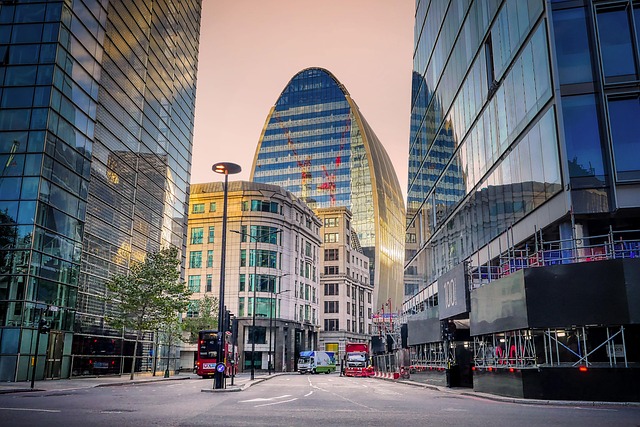
Efficient city bus planning relies on analyzing routes, vehicle maintenance, and passenger demand. Key strategies include: mapping efficient travel routes, selecting suitable buses (including used coaches), implementing affordable fares, and prioritizing safety features. By selecting buses naturally that cater to diverse needs, cities can enhance public transportation appeal, reduce private vehicle usage, and contribute to sustainable mobility, offering efficient, comfortable, and safe journeys.
In today’s fast-paced urban environments, efficient transportation is a cornerstone of modern life. For residents and visitors alike, navigating through bustling metropolis requires reliable access to public transit. This is where bus routes planners step in as indispensable tools. They offer more than just a map; they facilitate informed decision-making, optimize travel times, and foster inclusive mobility. However, with ever-evolving urban landscapes, keeping pace with efficient bus networks can be challenging. This article delves into the intricacies of creating robust bus routes, emphasizing the strategic placement and optimization of Select Buses to ensure seamless connectivity in diverse urban settings.
- Understanding Your City's Bus Network
- Mapping Out Efficient Travel Routes
- Selecting Suitable Buses: A Natural Approach
- Optimizing Your Commute with Smart Planning
Understanding Your City's Bus Network

Understanding your city’s bus network is a crucial step in planning efficient and accessible public transportation. This involves delving into the intricate web of select buses, their routes, drop-off points, and maintenance schedules. Each city boasts a unique tapestry of bus services, shaped by historical factors, urban planning, and passenger demand. For instance, densely populated metropolitan areas tend to have more frequent and diverse bus routes compared to smaller cities or towns.
A comprehensive bus planner must consider the technical aspects of these networks, including vehicle maintenance and repair schedules. Regular upkeep ensures a reliable service, minimizing delays caused by mechanical issues. Many modern city buses operate with advanced diagnostics that allow for proactive maintenance, further enhancing efficiency. For instance, real-time data on bus performance can pinpoint potential problems before they become major repairs, reducing downtime.
Intercity bus routes, connecting cities and towns, play a vital role in regional mobility. These routes often cater to long-distance travelers and commuters, offering an affordable alternative to air or train travel. Planning for these routes involves understanding passenger flows between destinations, considering peak travel times, and ensuring adequate coverage of drop-off points that serve various communities. By analyzing historical data on intercity bus utilization, transportation authorities can optimize schedules, making the most of limited resources.
Mapping Out Efficient Travel Routes

Mapping out efficient travel routes is a cornerstone of any successful bus routes planner. It involves a meticulous process of analyzing traffic patterns, understanding passenger flows, and optimizing select buses to minimize travel time and maximize convenience. This strategic approach leverages data-driven insights to design bus routes that not only cater to peak demand but also serve as reliable city tour buses during off-peak hours.
One of the key considerations in this process is selecting the right vehicles. Opting for second-hand coach purchases can be a cost-effective strategy, allowing transit authorities to acquire robust and affordable buses with proven performance records. By carefully evaluating existing fleets and prioritizing those that meet modern safety and efficiency standards, planners can ensure that bus routes near me are well-serviced without compromising on quality. For instance, cities like New York have successfully integrated second-hand coaches into their public transportation network, resulting in improved service and reduced operational costs.
Additionally, setting competitive affordable bus fares is crucial for attracting riders and fostering a loyal user base. Data suggests that flexible fare structures, including off-peak discounts and multi-journey tickets, can significantly influence passenger choices. Integrating these options into the bus routes planner ensures that residents and visitors alike find public transportation both convenient and accessible. For example, London’s Oyster Card system has revolutionized urban mobility by offering pay-as-you-go fares and integrated journey planning, encouraging more people to opt for buses and reduce reliance on private vehicles.
In conclusion, a comprehensive bus routes planner should not only map out efficient travel paths but also consider the affordability and accessibility of public transportation. By thoughtfully integrating second-hand coach purchases and implementing flexible fare policies, transit systems can enhance their appeal as reliable city tour buses while promoting sustainable mobility.
Selecting Suitable Buses: A Natural Approach

Selecting suitable buses for your transportation needs involves a thoughtful balance between functionality, comfort, and sustainability. A natural approach to bus planning begins with recognizing the diverse roles these vehicles play in our daily lives—from school transport to public commuting—and tailoring their design and offerings accordingly. Consider the impact of vegan bus food, not just on passenger satisfaction but also on environmental sustainability. Leading operators are integrating plant-based meal options, reducing waste, and promoting healthier lifestyles without compromising taste.
Interior design plays a pivotal role in creating an enjoyable travel experience. Comfortable seating, well-lit interiors, and optimized air conditioning contribute to passenger comfort, especially during long journeys. Incorporating innovative bus interior design elements like ergonomic seats, adjustable lighting, and smart climate control systems enhances overall satisfaction. Moreover, focusing on safety is paramount, particularly when transporting school children. School bus safety features such as advanced collision avoidance systems, improved emergency exits, and integrated monitoring solutions are becoming industry standards, ensuring the well-being of young passengers.
Driver training and defensive driving courses are integral to efficient and secure bus operations. Skilled drivers equipped with up-to-date training can navigate challenging road conditions and minimize accidents. Organizations offering specialized bus driver training programs emphasize not just technical skills but also defensive driving strategies, promoting a culture of safety on the roads. As the transportation sector evolves, embracing eco-friendly practices and advanced technologies will be crucial. By selecting buses naturally—through sustainable food options, thoughtful design, robust safety features, and comprehensive driver training—transportation networks can offer efficient, comfortable, and safe journeys for all.
Optimizing Your Commute with Smart Planning

Optimizing your daily commute is a key aspect of managing time and stress effectively, especially in urban areas where traffic congestion can be notorious. A well-planned bus route can offer a sustainable and often affordable alternative to driving or taking taxis. By integrating smart planning strategies, you can make the most of public transport systems, including select buses that cater to specific routes and needs. This approach not only saves time but also contributes to environmental sustainability by reducing private vehicle usage.
One significant advantage lies in utilizing bus catering services designed for eco-conscious commuters. These services offer comfortable rides with amenities like free Wi-Fi, USB charging ports, and even designated no-park zones for buses, ensuring smoother travel without the hassle of traffic jams. Additionally, prioritizing bus loading areas strategically—places where buses can efficiently pick up or drop off passengers within 1-3 minutes—can significantly cut down commute times. Cities worldwide are recognizing the benefits of optimizing bus routes to support ecotourism transport, with data suggesting that efficient public transportation systems can reduce carbon emissions by up to 30%.
To implement smart planning, start by identifying your daily travel needs and mapping out potential bus routes. Many cities now offer user-friendly apps that display real-time bus schedules and locations, allowing you to choose the most convenient buses. Consider factors like peak hours, traffic patterns, and specific amenities offered by different bus services. For instance, some bus companies may have dedicated loading areas in business districts or near popular tourist spots, ensuring faster boarding and alighting. By selecting buses that align with your commute requirements naturally, you can transform your daily journey into a more enjoyable and efficient experience while contributing to the city’s overall mobility ecosystem.
By thoroughly understanding your city’s bus network, mapping efficient travel routes, and adopting a natural approach to selecting buses, you can significantly optimize your commute. The key takeaways include the importance of recognizing local transportation dynamics, leveraging smart planning tools, and choosing vehicles that align with environmental considerations. Integrating these strategies into daily routines offers not only convenience but also contributes to a more sustainable future. Moving forward, consider using specialized bus route planners and embracing eco-friendly transit options, ensuring a smoother, more mindful journey.